Če koga zanima "oil economy & logistic" tale je zelo dobro obdelal vse vidike Trumpove Iranske-izraelske avanture skupaj z Ukr razbijanjem ruskih rafinerij, ki ga Ukr izvaja s pomočjo Zahoda
recap:
The oil apocalypse is here
️ Three oil shocks converge 00:00
The crisis is not just a spike in gas prices: disruptions from the Iran war, Russia’s war in Ukraine, and the Saudi-Houthi conflict are converging. The deeper danger is a global supply squeeze that affects people far beyond drivers.
A market with almost no slack 01:45
The world produces and consumes roughly 100 million barrels of oil a day, leaving little spare capacity. When supply is disrupted, rerouting pipelines and drawing on reserves can soften the blow—but they cannot fully replace lost flows.
Hormuz workarounds—and a new choke point 03:49
Pipelines and risky ship-to-ship transfers initially kept much of the oil moving around the Strait of Hormuz. Houthi attacks then closed the Bab al-Mandab route and damaged Saudi oil infrastructure, cutting off key pipeline capacity and shrinking the region’s exports.
China’s buying spree deepens the shortfall 11:22
After initially reducing oil imports and easing pressure on global supply, China began buying more again. That left a larger global shortfall—and its decision to pay steep premiums suggests it may be preparing for conditions to worsen.
Longer routes mean fewer effective tankers 13:40
Closing Bab al-Mandab forces oil ships bound for Asia around Africa, turning a 19-day voyage into roughly 48 days. With tankers tied up for much longer and shipping costs soaring, the world effectively loses much of its available carrying capacity.
Oil isn’t useful until it’s refined 18:21
Crude must be processed into fuels such as gasoline, jet fuel, and diesel. Diesel is especially vital because it powers trucking, farming, construction, and shipping—and those users often cannot simply cut back when prices rise.
Refinery attacks tighten fuel supplies 21:44
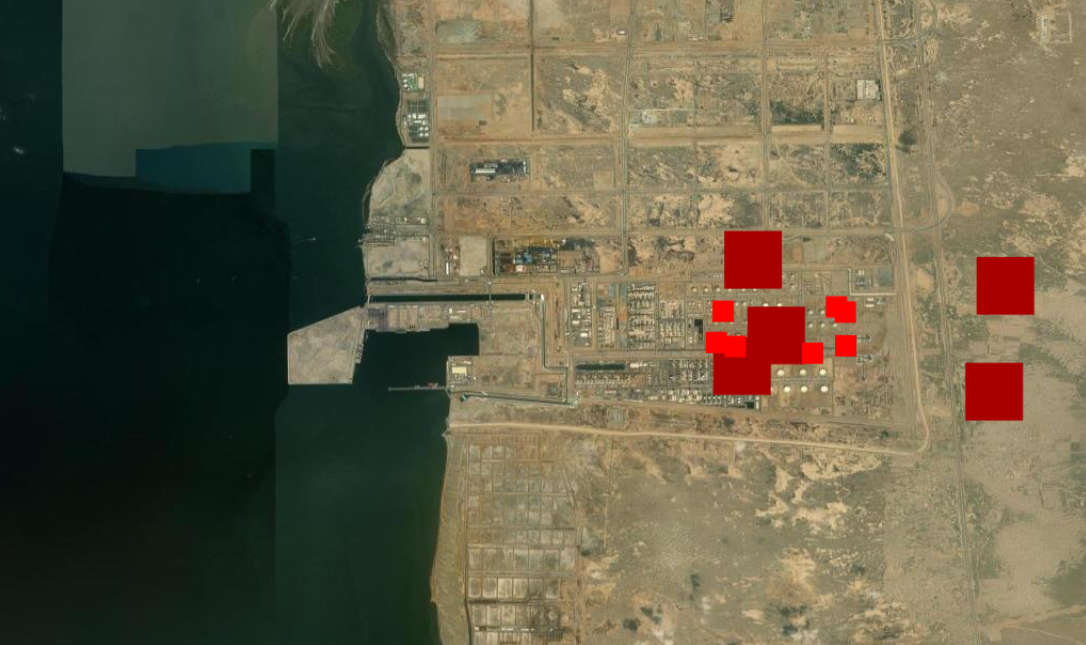
Ukrainian strikes on Russian refineries, attacks on Gulf and Iranian facilities, and reduced Chinese fuel exports compound the supply shock. Together, these disruptions remove millions of barrels of refined products, particularly diesel, from a market already under strain.
Record crack spreads make diesel far more expensive 26:52
The “crack spread” measures the cost gap between crude oil and refined fuel. With oil around $100 a barrel and diesel refining costs surging to about $110, diesel reaches roughly $210 a barrel—showing why fuel prices can rise far faster than crude prices alone.
Diesel costs ripple through daily life 30:35
Because trucks consume so much diesel, higher fuel costs feed into the price of nearly everything they deliver, including food and building materials. Farming, air travel, and overseas shipping face added pressure too, bringing higher prices, delays, and possible shortages.
 The crisis is already underway 33:48
The video argues this is not a hypothetical worst case but a crisis already affecting supply chains and household costs. It warns that a US diesel export ban could raise global prices—and urges viewers not to accept prolonged disruption as the new normal.



 www.rtvslo.si

 www.middleeastmonitor.com



 maritime-executive.com

 www.dnevnik.si


