Prihodnost kmetijstva v EU

BLABLABLA

Guru
28. sep 2007
3.289
1.377
113
Zelenjava in živina intenzivno (predvsem mlečna proizvodnja) se ne miksata. Oboje resno ne gre.

Velik ? če so šli v pravo smer. Cene zelenjave so letos za lepo število artiklov 20-30% pod modelnimi kalkulacijijami KIS-a. Če en artikel dela pa je ostalo zguba. ... Ja nekak gre ampak do kdaj? Nepalci, Indijci po 4,5 €/h?

Površine krompirja v SLO se bodo precej zagotovo zmanjšale še za kakih 20-25% drugo leto, glede na letošnjo situacijo.
Nepalca ali Indijca ne moreš in ne smeš legalno plačat po 4,5€ na Uro Netto... Delovne sile na kmetih ni... Bratje in sestre se razbežijo, tisti, ki je doma je ponavadi sam, brez partnerja in posledično brez otrok... V obeh mojih primerih je tak. Pomaga včasih kdo iz vasi (moj oče) ali kaka žlahta... To je pa tudi vse...

Kmetije pač imajo, kar imajo.. Brez hlevskega gnoja samo na umetna gnojila bo zemlja kmalu izčrpana.

Običajno je bilo v štalah z 40 glavami 59% molznic, ostalo pa biki in telice.
 
  • Všeč mi je
Reactions: Hanzi

Hanzi

Guru
27. jul 2007
51.167
8.861
113
pri taščici
V naši vasi sta se zaprli 2 štali po cca 40 glav...
Starši pomrli... Otroci so živino opustili, ker več ne zmorejo... Samo še zelenjava

PS Včasih je bilo v naši vasi cca 100-120 glav goveda... danes mogoče 15...
to je tudi zelja (zahteva) Tince....
Pridem po pujsa drug teden k tvojemu sovaščanu. Starši ga že desetletje ne pitajo več.
 

Daniel

Guru
21. dec 2007
8.423
6.787
113
Zanimivo, na eni strani izpolnjevanje vseh zahtevanih EU standardov, na drugi strani pa uvažamo hrano iz držav kjer se uporabljajo take metode:


No, vsaj vemo zakaj je toliko cenejša...
 

Feniks

Fizikalc
16. dec 2021
323
78
28
Uvožena hrana ne sme vsebovati pri nas prepovedanih snovi. Če jih, je to stvar nadzora ... In če ti veš, da nekdo prodaja stvari s prepovedanimi snovmi, ga pač prijavi sanitarcem. Na prijavo morajo reagirati.
Izjema je izredni uvoz pod posebnimi pogoji; ko recimo pri nas (z)manjka kakšnega bistvenega proizvoda in ga ni moč dobiti brez prepovedanih snovi.

(če mi pokažeš, da se motim bom vedel več)
 

Daniel

Guru
21. dec 2007
8.423
6.787
113
Saj keč je ravno v tem, da je vse stvar nadzora. Koliko procentov uvoza pa dejansko je nadzorovano, pa mogoče ti veš celo bolje od mene ampak dvomim, da kaj dosti, ker vse te analize precej stanejo.

Me je pa moram reči ta posnetek vseeno malo šokiral. Kolikor sem preverjal je ta aktivna stnov dovoljena tudi pri nas ampak ne za tako uporabo.
 

roCkY

Guru
2. sep 2007
2.769
720
113
Kot mi je znano je pendimetalin v vrsti za praktično popolen odstrel v EU. Zaenkrat ga podalšujejo iz leta v leto. V SLO je razen za en pripravek spisek uporabe zelo kratek.

Ko odleti, bo marsikatera kultura ostala brez uporabnega herbicida. Kakih 10 let nazaj je bil umaknjen iz kar nekaj kultur, kjer praktično ni uporabne alternative tudi če je kaj še vedno registrirano. Večinoma so to zelenjadnice z relativno kratko vegetacijo. Nekateri registrirani FFS so tako neučinkoviti, da se sploh ne uporabljajo, ker nima smisla...

samooskrba pa "veselo" pada, tudi zaradi tega dejavnika. Pri uvozu pa je teoretično važen le MRL. Precej malo verjetno je, da ta zadeva ostane v produktu. Je zelo hlapljiv. Zato ga tudi aplicirajo na ta način. Se znajdejo, to je treba priznati. Herbicid v vodo, insekticide z droni. Učinkovito predvsem pa poceni! Ali je to primerno je druga tema ćeprav bi morala biti prva. Dejstvo pa je, da se to dela masovno in tako pridelana roba vozi v EU.
 
  • Všeč mi je
Reactions: 8888 in Pepe

Pepe

Guru
20. sep 2007
14.571
6.198
113
EU je pač malce tvorba, kjer manjka zdrave kmečke pameti. Sedaj se trudimo, oziroma se bomo morali truditi, da dokazujemo, da v državi, kjer se vsako leto zaraste nekaj kmetijskih zemljišč, ne krčimo gozdov za pridelavo hrane. Dodatna administracija, ki pač draži lastno pridelavo. Zato, da lahko rečemo, da ima EU enaka pravila za cel svet in da ona ni kriva za izginjanje gozdov.
Torej naj ima EU enaka pravila še za ostalo. Če se aktivna snov ne sme uporabljati v EU, se ne sme uporabljati nikjer na svetu, kjer bi želeli produkt izvoziti v EU. Tudi to je potem takem možno zahtevati. Aja, to pa ne, ker evropske tovarne to kemijo delajo in prinaša izvoz dober posel kemijski industriji. Planet pa je samo en.
 
  • Všeč mi je
Reactions: 8888

Daniel

Guru
21. dec 2007
8.423
6.787
113
Dogovor še niti podpisan ni in že prihajajo pošiljke s snovmi, ki so pri nas ne samo prepovedane ampak tudi rakotvorne:


The news this week that frozen blocks of beef containing a banned carcinogenic hormone has entered the EU food chain has reverberated right across Europe, with serious questions being asked as to the risks associated with importing beef from countries that don’t produce to the same standard as Europe.

The European Commission has always lauded its strong record on controls and checks on product coming into the EU market.

This is what the Mercosur trade deal has been built upon, with the EU guaranteeing that beef that is imported from any country, including Brazil, is produced to the same standard as beef in Europe.

It highlighted last week that the 1,200 farms that are approved for exports to the EU farm to a higher standard than the rest of their Brazilian counterparts.

Yet despite all the checks and controls, affirmations and assurances, the fact is that frozen blocks of Brazilian beef containing the banned carcinogenic hormone oestradiol 17ß entered the EU market last month.

Worse still, this beef has been eaten by EU citizens, with the fallout and recall continuing right across Europe.

On page 13, Amy Forde asks Irish MEPs how they will vote on the Mercosur trade deal. Bearing in mind how close we are to the votes taking place, it’s disappointing to see some still sitting on the fence on such an important issue.

It was equally disappointing to hear Fine Gael MEP Regina Doherty extol the benefits of the deal on national airwaves this week. Fianna Fáil MEP Barry Andrews has also told the Irish Farmers Journal that he intends to vote in favour of the deal.

The Mercosur trade deal and the importation of an extra 99,000t of South American beef into Europe is obviously not top priority for their Dublin city constituents, but food safety for all EU citizens should be.

While up to this point, the argument against the Mercosur trade deal has been centered around standards and the impact on European beef farmers’ incomes, this week’s hormone revelations change the point of the argument against the deal to a food safety and human health one.

Last month’s Irish Farmers Journal/Irish Farmers Association Brazilian investigation demonstrated that the system is not in place in Brazil to implement the same traceability and food safety standards as are applied in Europe.

We witnessed animals in factory lairages with no tags, so how can Brazil decipher what has received hormones and what hasn’t? In their response to the recall, the European Commission remains confident that it has the checks and controls in place to safeguard European consumers, but I’m sure many who will read page 14-15 in this week’s edition will form a different opinion.

Any further ratification by European governments and members of the European Parliament of the Mercosur trade deal has to be paused until a full investigation of this breach is completed.

Food safety and the health of EU citizens is non-negotiable, no matter how many billions any trade deal is worth. Europe has also held up the health and safety of its citizens before anything else and shouldn’t deviate.

It appears the commission’s own 2024 audit findings were ignored, and recommendations issued to Brazil as a result of that 2024 audit were not adhered to.

After that audit, the European Commission requested Brazil set up an effective system to verify that bovine animals treated with oestradiol 17ß are excluded from export to the EU.

Upon receipt of the audit report, Brazil submitted an action plan and committed to suspend exports of meat from female bovine animals (males are not treated with oestradiol 17ß), pending implementation of a system providing the necessary guarantees. If Brazil gave an undertaking not to export beef from female animals, how have they ended up here now?

The hormone breach further demonstrates Brazil’s inability to meet the same standards for food safety as we have in Europe, and calls into real question the risks associated with rushing this deal through in the next few weeks.

 

Daniel

Guru
21. dec 2007
8.423
6.787
113

European Commission recalls Brazilian beef containing banned hormones

By Aengus Cox

The European Commission has recalled consignments of frozen Brazilian beef products imported into the EU, after it was found they contained hormones banned in the bloc.

The banned hormones were detected in shipments that arrived into Europe earlier this month.

Authorities in a number of countries have removed affected products from sale, and issued recalls where necessary.

EU countries impacted by the situation include Austria, Belgium, Cyprus, Croatia, Czech Republic, Germany, Greece, Italy, the Netherlands, and Slovakia.

The United Kingdom (including Northern Ireland) is also among the countries affected.

The Irish Farmers’ Association (IFA) has said the recalls of Brazilian beef raise questions about controls in Brazil.

IFA President Francie Gorman said they "raise very significant concerns around the lack of robust controls in slaughterhouses in Brazil, which has allowed hormone beef to enter the EU and be sold to European citizens".

He added the findings "have to be a serious wake-up call for the bureaucrats and cheerleaders attempting to usher through a Mercosur trade deal for the benefit of big industry at the expense of European farmers and the health and wellbeing of EU citizens".

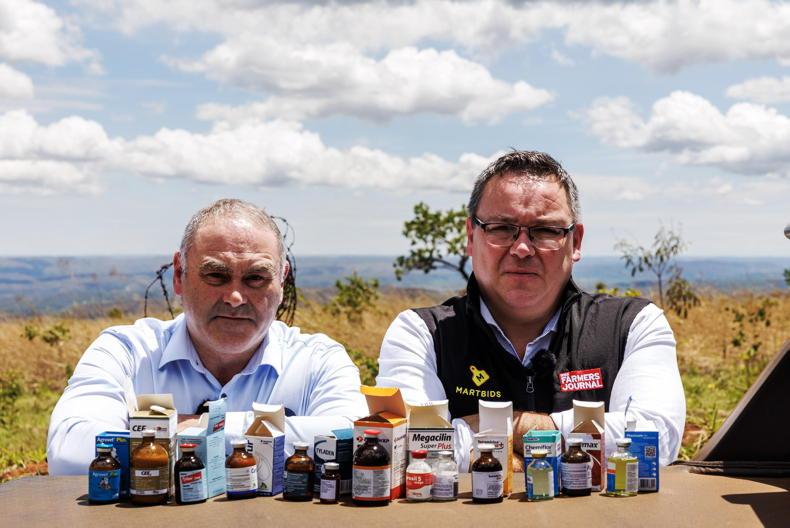
It comes after a recent investigation from the Irish Farmers Journal, which claimed to have been able to buy animal antibiotics in Brazil without prescriptions, and hormones banned in the EU.

The European Commission is pushing for the ratification of Mercosur, which would create the world’s biggest free-trade zone and significantly increase EU exports to Mercosur countries - Argentina, Brazil, Paraguay and Uruguay.

Mercosur countries would be able to export up to 99,000 tonnes of beef into the EU at a much-reduced tariff rate of 7.5%, as well as 180,000 tonnes of poultry.

Several EU member states, notably Ireland and France, are opposed to its ratification, citing the potential to massively distort key agricultural markets.
 

mistique

Guru
16. jun 2009
17.046
4.027
113
Ko se debatira o prihodnosti, kaj pa biodinamično kmetijstvo? Slovenija ima naravni potencial za kaj takega? Znanja najbrž ni...pa vizije?
 

Daniel

Guru
21. dec 2007
8.423
6.787
113

RTE | 1 December 2025

European Commission recalls Brazilian beef containing banned hormones

By Aengus Cox

The European Commission has recalled consignments of frozen Brazilian beef products imported into the EU, after it was found they contained hormones banned in the bloc.

The banned hormones were detected in shipments that arrived into Europe earlier this month.

Authorities in a number of countries have removed affected products from sale, and issued recalls where necessary.

EU countries impacted by the situation include Austria, Belgium, Cyprus, Croatia, Czech Republic, Germany, Greece, Italy, the Netherlands, and Slovakia.

The United Kingdom (including Northern Ireland) is also among the countries affected.

The Irish Farmers’ Association (IFA) has said the recalls of Brazilian beef raise questions about controls in Brazil.

IFA President Francie Gorman said they "raise very significant concerns around the lack of robust controls in slaughterhouses in Brazil, which has allowed hormone beef to enter the EU and be sold to European citizens".

He added the findings "have to be a serious wake-up call for the bureaucrats and cheerleaders attempting to usher through a Mercosur trade deal for the benefit of big industry at the expense of European farmers and the health and wellbeing of EU citizens".

It comes after a recent investigation from the Irish Farmers Journal, which claimed to have been able to buy animal antibiotics in Brazil without prescriptions, and hormones banned in the EU.

The European Commission is pushing for the ratification of Mercosur, which would create the world’s biggest free-trade zone and significantly increase EU exports to Mercosur countries - Argentina, Brazil, Paraguay and Uruguay.

Mercosur countries would be able to export up to 99,000 tonnes of beef into the EU at a much-reduced tariff rate of 7.5%, as well as 180,000 tonnes of poultry.

Several EU member states, notably Ireland and France, are opposed to its ratification, citing the potential to massively distort key agricultural markets.
 

Daniel

Guru
21. dec 2007
8.423
6.787
113
Ko se debatira o prihodnosti, kaj pa biodinamično kmetijstvo? Slovenija ima naravni potencial za kaj takega? Znanja najbrž ni...pa vizije?
Potenciala najbrž nekaj je, ampak ne kaj dosti.

Tudi ekoloških kmetij imamo nekaj ampak spet je količina teh kmetij omejena s sposobnostjo ljudi, da si to dražjo hrano privoščijo. Najboljši pogoji za ekološke kmetije so nekje, kjer se živali celo leto pasejo, saj so tam tudi stroški dela nekoliko nižji.
Ekološko pridelana zelenjava in sadje pa imata ravno tako razmeroma majhen krog kupcev, ker je tako pridelana hrana enostavno dražja, kot je večina ljudi pripravljena za njo plačati. In nima nobenega smisla riniti na trg več eko ali biodinamičnih proizvajalcev, kot jih trg lahko prenese.

Verjetno bi v končni fazi z nekaj dodatnega znanja lahko tudi sam bil ekološki, ampak mi trenutno manjka znanja kako pridelati dovolj hrane za živino brez uporabe sredstev proti plevelom (nekaj se sicer da rešiti s česali in okopalniki), niti mi ni znano kako je z gnojenjem v teh shemah. Ker zemlji nekaj vseeno moraš dati, če želiš, da nekaj zraste (ne plevel). Potem je pa še problem odkupa... kdo bo z eno cisterno mleka vozil po celi državi vsaki dan, da bo pobiral to mleko (sploh sedaj, ko so šoferjem čas ko so na kmetijah pričeli vštevati v čas vožnje). Zaščita žit pred boleznimi, kako se denimo boriš proti romularijski plesni in ostalim boleznim v eko pridelavi... Več vprašanj kot odgovorov.
 
  • Všeč mi je
Reactions: mistique

mistique

Guru
16. jun 2009
17.046
4.027
113
Živali se bodo po nekaterih napovedih lahko komot pasle celo leto (če ne bo pozidano vse :fredi:)...del planiranja je vsaj delno upoštevati takšne napovedi. Tudi število kupcev je nekaj, na čemer se dela z neko vizijo (saj smo privzeto naklonjeni kmetom oz. pridelovalcem hrane)...tehnična vprašanja niso zanemarljiva, mi je jasno. Vem pa tudi, da z enakim razumevanjem (in pričakovanji) ne premakneš stvari.
 

Daniel

Guru
21. dec 2007
8.423
6.787
113
Verjetno razlog zakaj se večino živali iz Slovenije izvozi, v Slovenijo pa uvozi na police iz držav s "cenejšo" prirejo.
Poraba antibiotikov v mg/kg v EU za leto 2024.

V EU imajo manjšo porabo le Švedska, Finska in Luxemburg.
 

Priponke

  • Screenshot_20260105_145833_Brave.jpg
    Screenshot_20260105_145833_Brave.jpg
    956 KB · Ogledi: 78
  • Žalosti me
Reactions: Kamele0N

Hanzi

Guru
27. jul 2007
51.167
8.861
113
pri taščici
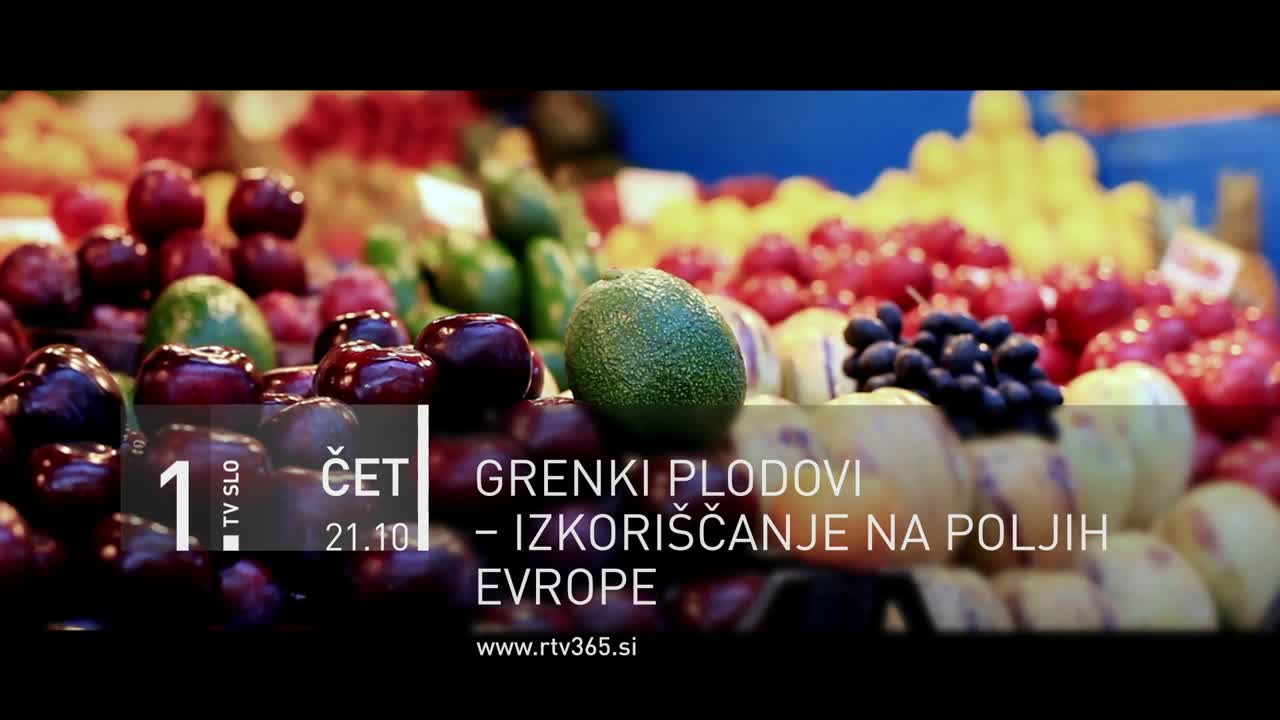
V četrtek bo treba tole gledat.
 
  • Všeč mi je
Reactions: Kamele0N in tony